- Client
- Global leader in travel tech
- Sector
- MICE
- Type
- Trade show stand
- Year
- 2026
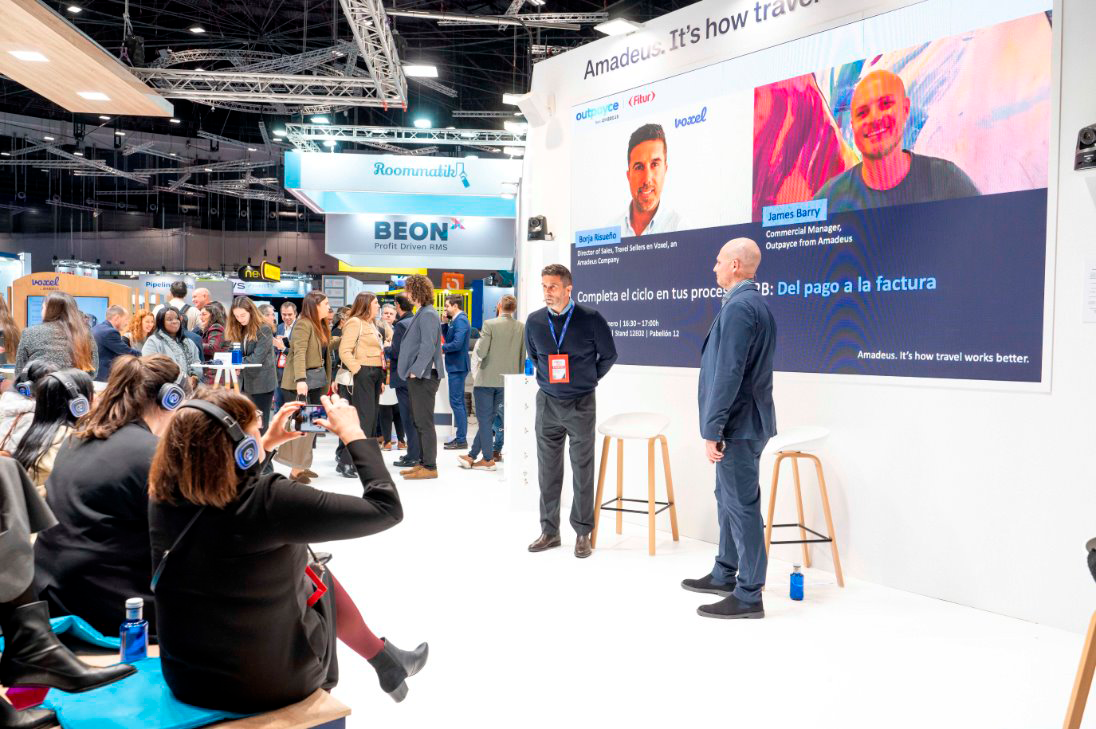
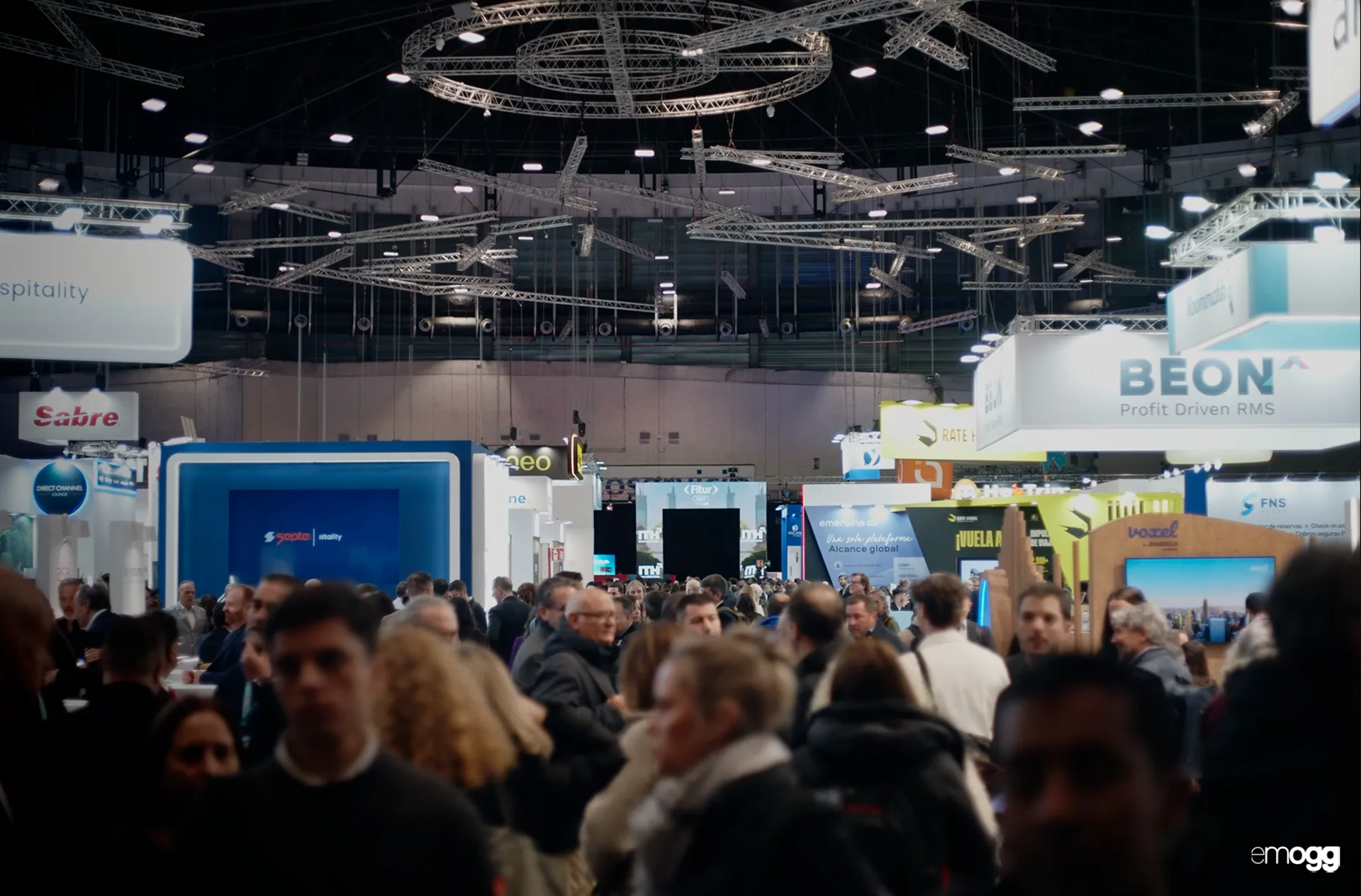
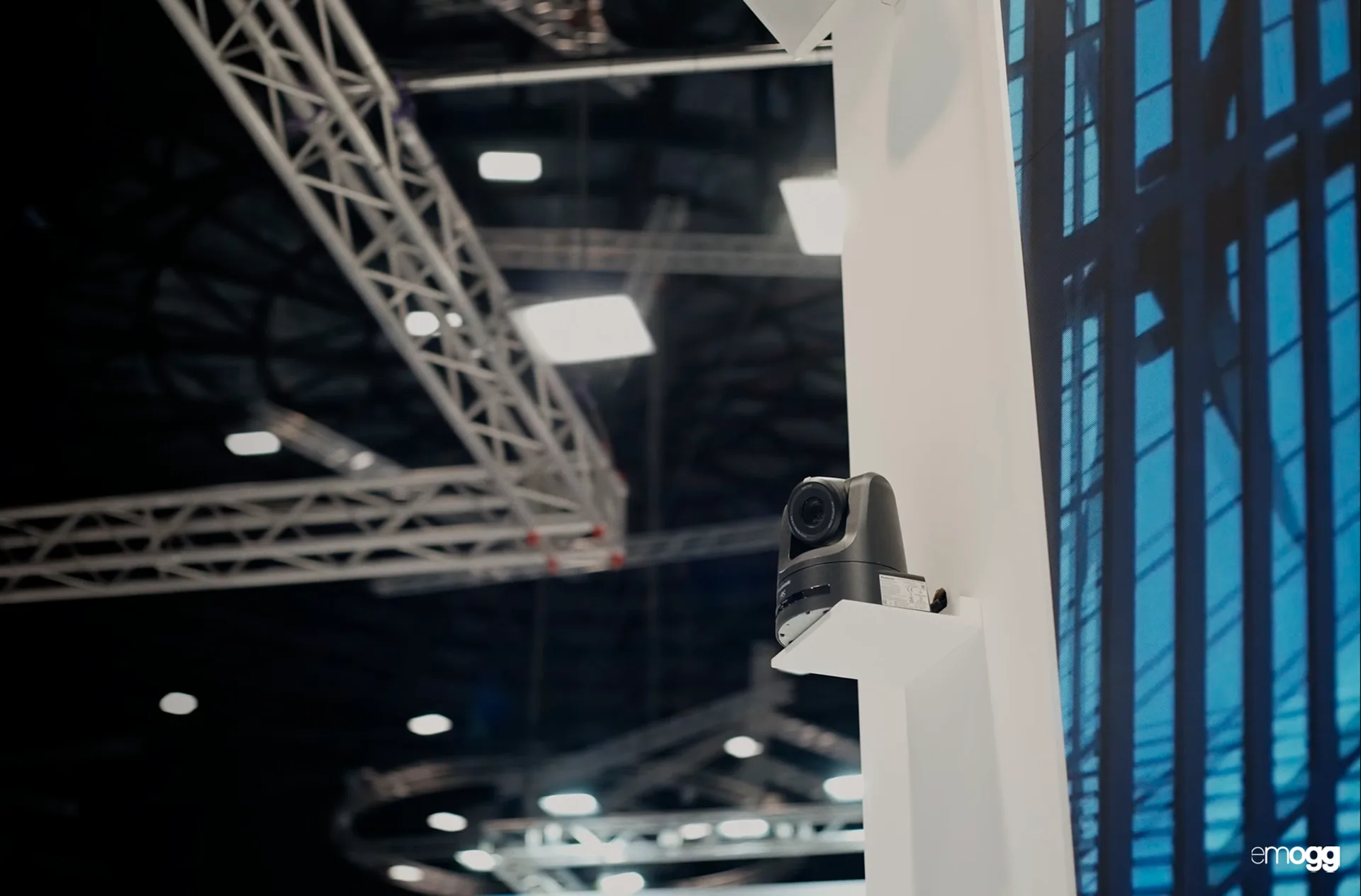
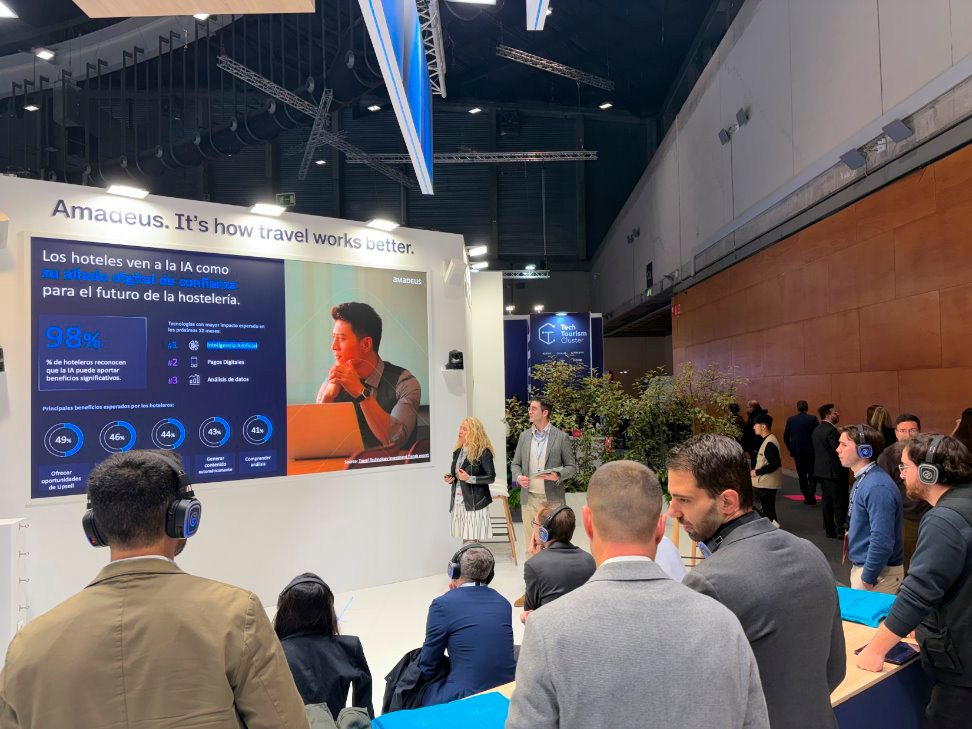
A global leader in travel tech brought a 180 m² stand to FITUR 2026, the international tourism trade fair held at IFEMA Madrid, produced together with Beon Worldwide: two private meeting rooms, a working table area and an Ágora presentation area. Eight sessions ran there across the three professional days of the fair, which drew 155,000 accredited visitors. The area was measured with Emogg Experience. First engagement with Emogg, and Emogg's first project at FITUR.
How do you know which messages actually landed with the audience, when all you have is the speaker's impression and a headcount?
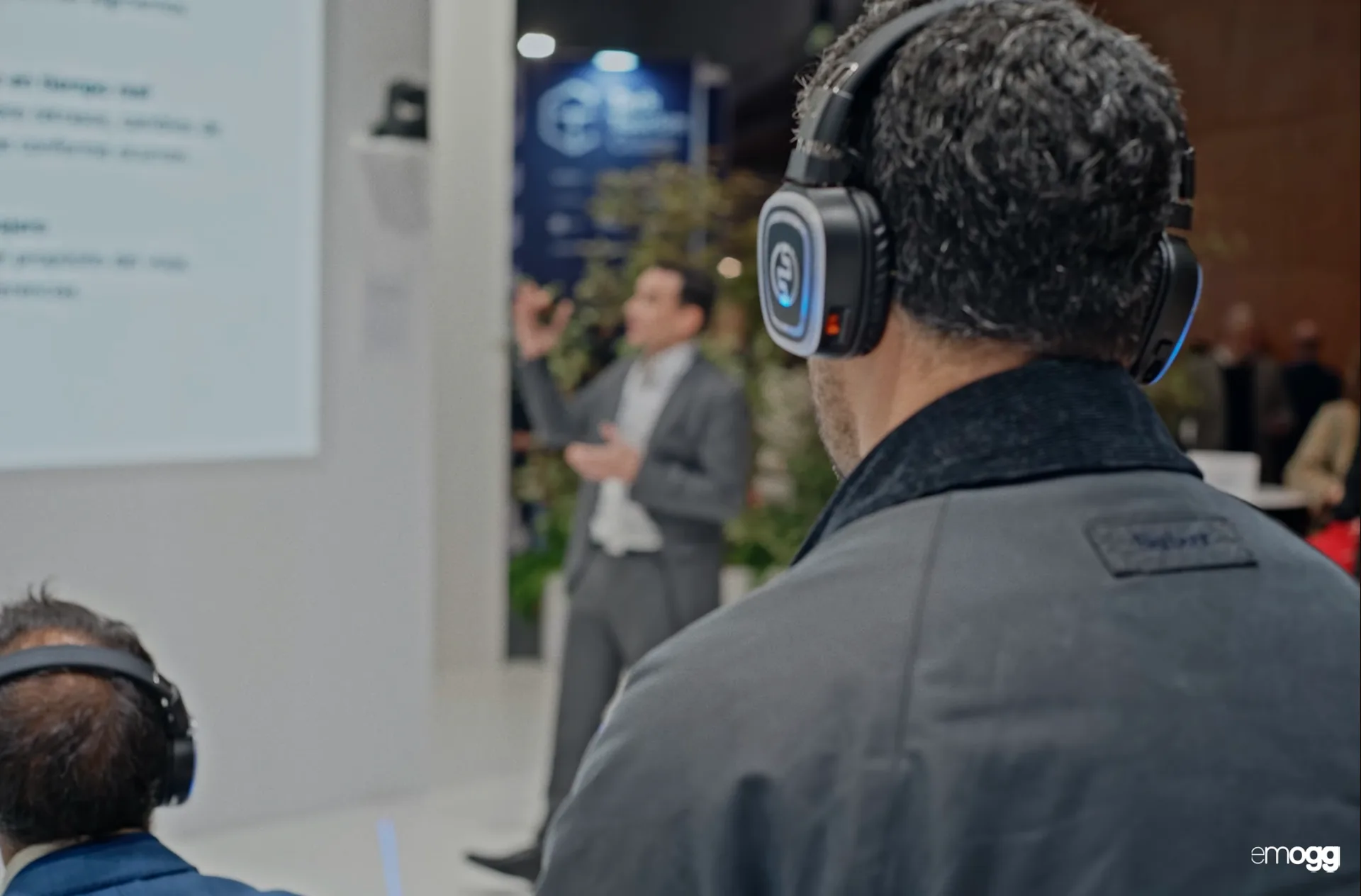
Audience response across the eight Ágora sessions, session by session and minute by minute, cross-referenced with a transcript of the content. Each session yielded two headline readings — focus, the audience's sustained attention, and valence, the direction of that response — plus a breakdown of the experiential indicators across the full timeline, pinpointing the exact moment each one rises or falls. The two headline readings were used to build a matrix placing each session against the average behaviour of the set, sorting content into four archetypes according to how attention and mode of reception combine.
Yes — and it surfaced something the room does not give back: attention and ease of reception did not line up. The session that held the most sustained attention was also among those the audience received with the most weight, while the best-received session settled at mid-range focus. Almost twenty points separated the session that held attention best from the one that held it least. And one pattern ran through all eight: focus rose whenever the content connected to a concrete business decision, and fell through descriptive or tactical stretches.
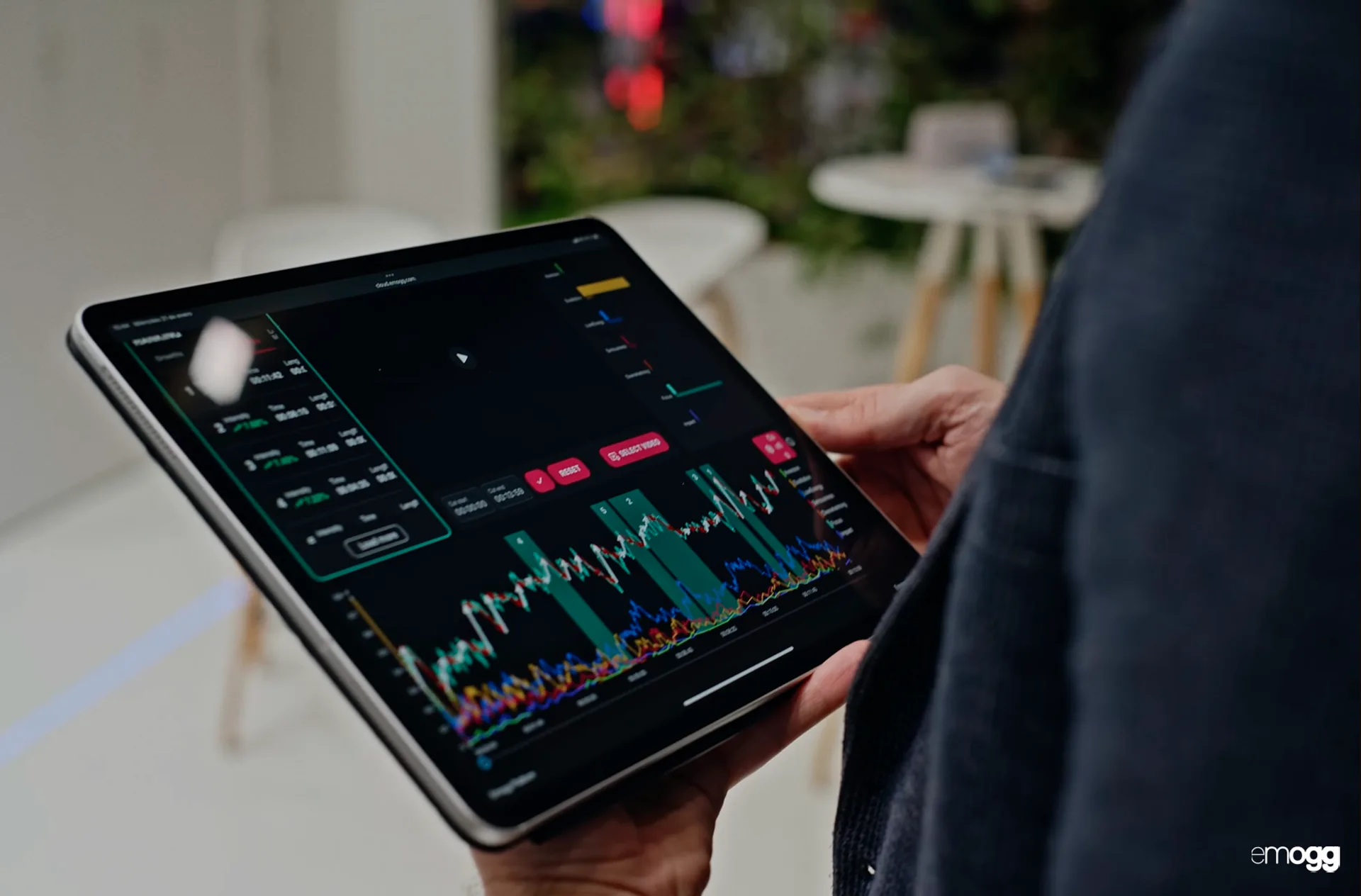
The Event Management team — which commissioned the measurement — and the Marketing team had, for the first time, an objective reading of each session's impact, including the specific moments where the audience entered and left the content. The archetype classification gave them a comparable basis for deciding which formats and angles to repeat, and which need adjusting in pace or structure.
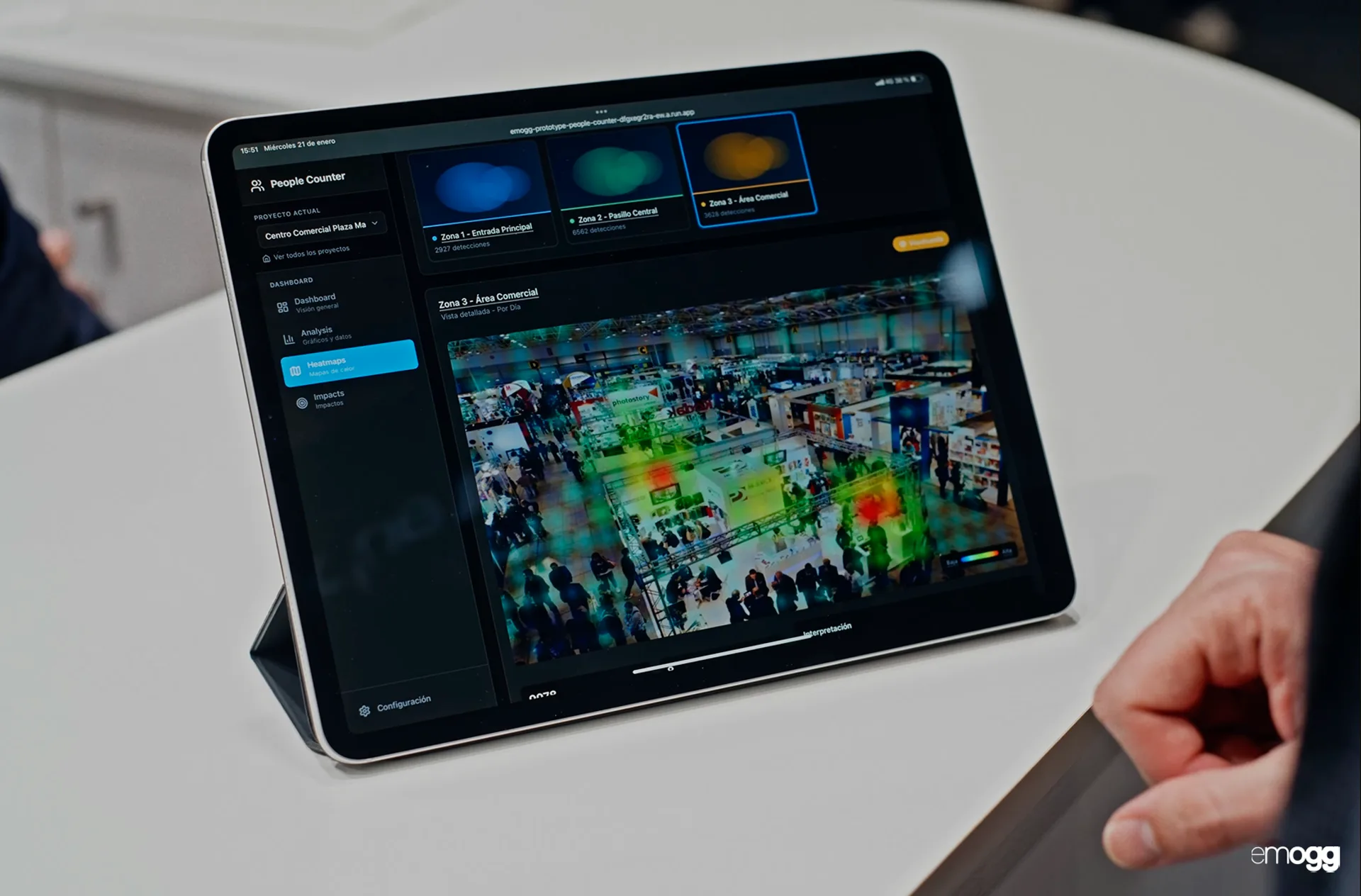
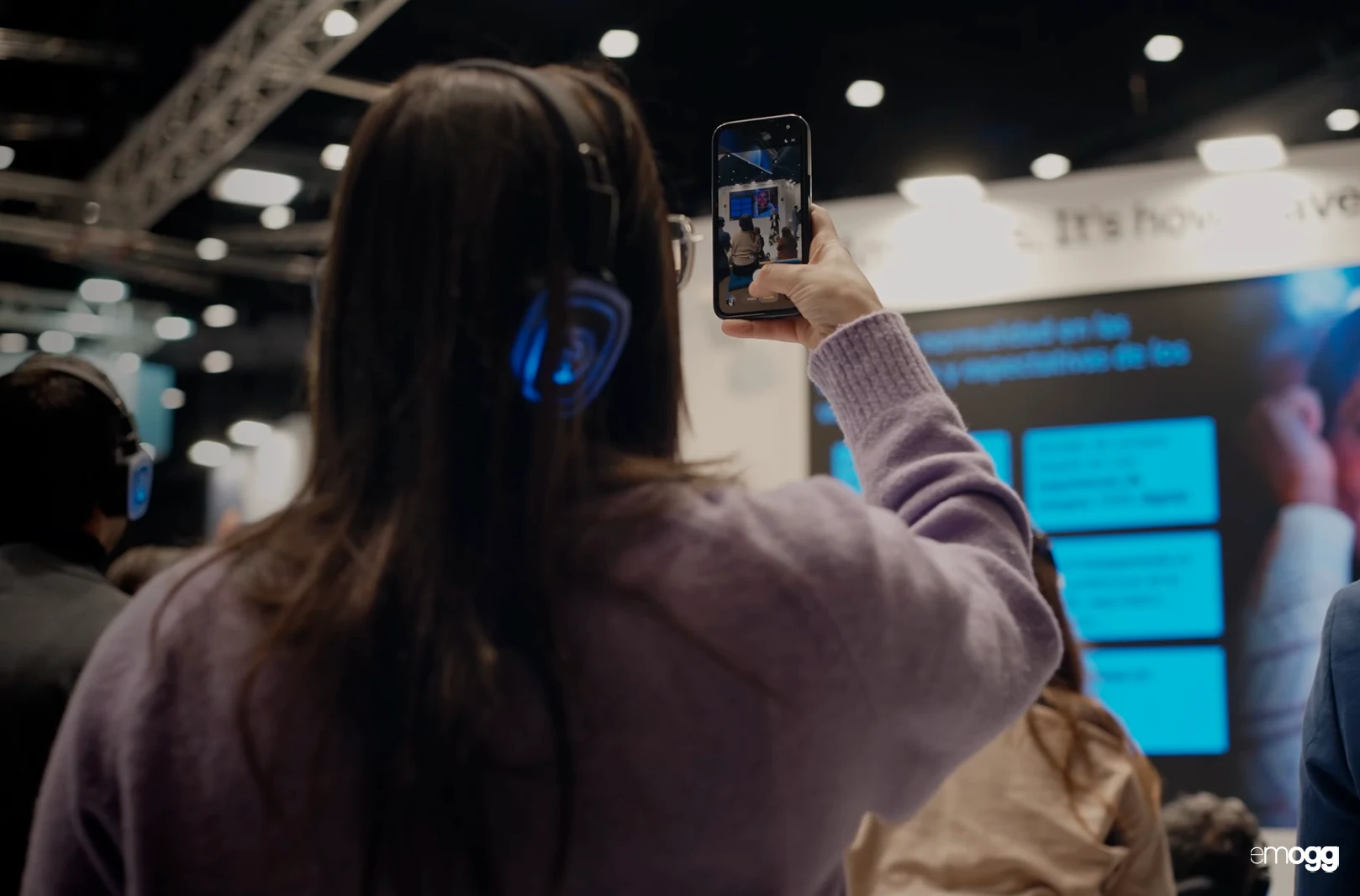
Emogg's solution uses no biometrics and no individual profiling: it measures the group's response, not individuals.